


Selecting the right valve seat material for IBC (Intermediate Bulk Container) tank valves is a critical decision that can significantly impact the performance, safety, and longevity of the entire system. As a trusted supplier of IBC tank valves, I understand the importance of this choice and the challenges that come with it. In this blog post, I'll share some key factors to consider when selecting valve seat materials and provide insights to help you make an informed decision.
Understanding the Role of Valve Seats in IBC Tanks
Valve seats are essential components of IBC tank valves, providing a seal between the valve body and the closure element (such as a ball, disc, or plug). This seal prevents leakage of the stored contents, whether it's a liquid, gas, or powder. The valve seat material must be compatible with the substance being stored, able to withstand the operating conditions, and provide a reliable seal over an extended period.
Factors to Consider When Selecting Valve Seat Materials
Chemical Compatibility
One of the most important factors to consider is the chemical compatibility between the valve seat material and the substance stored in the IBC tank. Different chemicals can react with various materials, causing corrosion, swelling, or degradation. For example, if you're storing a strong acid, a valve seat made of a material resistant to acidic environments, such as PTFE (Polytetrafluoroethylene), would be a suitable choice. On the other hand, if you're dealing with a solvent, a material like Viton, which has excellent solvent resistance, might be more appropriate.
Temperature and Pressure
The operating temperature and pressure of the IBC tank system also play a crucial role in valve seat material selection. High temperatures can cause some materials to soften or lose their sealing properties, while high pressures can require a more robust and durable material. For instance, in high-temperature applications, materials like ceramic or graphite can offer better performance and stability compared to elastomers.
Abrasion Resistance
If the substance stored in the IBC tank contains abrasive particles, such as sand or grit, the valve seat material must be able to resist wear and tear. Hard materials like stainless steel or ceramic are often preferred in such applications due to their high abrasion resistance.
Sealing Performance
The primary function of a valve seat is to provide a reliable seal. The material's ability to form a tight seal depends on its elasticity, hardness, and surface finish. Elastomeric materials, such as EPDM (Ethylene Propylene Diene Monomer) or NBR (Nitrile Butadiene Rubber), are known for their excellent sealing properties and are commonly used in many IBC tank valve applications.

Cost
Cost is always a consideration in any purchasing decision. While it's important to choose a high-quality valve seat material that meets your requirements, you also need to balance it with your budget. Some materials, like PTFE, can be more expensive than others, but they may offer better performance and longer service life, which can result in cost savings in the long run.
Common Valve Seat Materials for IBC Tank Valves
PTFE (Polytetrafluoroethylene)
PTFE is a popular choice for valve seat materials due to its excellent chemical resistance, low friction coefficient, and wide temperature range. It can withstand a variety of chemicals, including acids, bases, and solvents, making it suitable for many IBC tank applications. PTFE also has good sealing properties and is resistant to sticking and galling. However, it can be relatively expensive and may require special handling during installation.
EPDM (Ethylene Propylene Diene Monomer)
EPDM is an elastomeric material known for its excellent weather resistance, ozone resistance, and water resistance. It has good chemical resistance to many acids, bases, and polar solvents, making it a suitable choice for IBC tanks storing water-based or mildly corrosive substances. EPDM is also relatively inexpensive and easy to install.
NBR (Nitrile Butadiene Rubber)
NBR is another elastomeric material commonly used in valve seats. It has good resistance to oil, fuel, and many solvents, making it suitable for IBC tanks storing petroleum-based products. NBR is also relatively inexpensive and has good sealing properties. However, it has limited resistance to high temperatures and some chemicals.
Viton
Viton is a synthetic rubber known for its excellent resistance to high temperatures, oils, fuels, and many chemicals. It has good sealing properties and is suitable for IBC tanks storing aggressive substances or operating in high-temperature environments. However, Viton is more expensive than some other elastomeric materials.
Stainless Steel
Stainless steel is a durable and corrosion-resistant material commonly used in valve seats for applications where high strength and abrasion resistance are required. It can withstand high pressures and temperatures and is suitable for IBC tanks storing abrasive or corrosive substances. Stainless steel valve seats are also relatively easy to clean and maintain.
Our Product Offerings
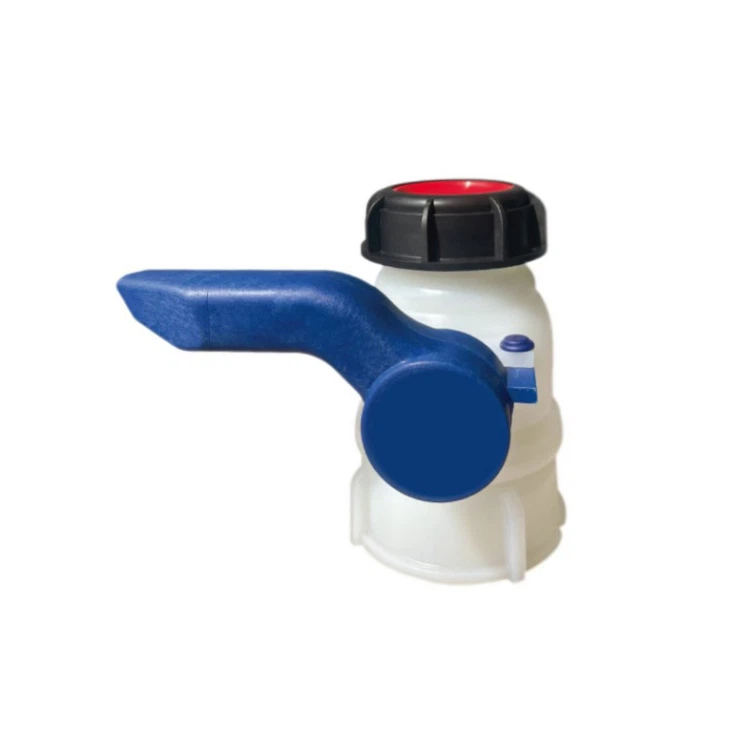
As an IBC tank valve supplier, we offer a wide range of valve seat materials to meet the diverse needs of our customers. Our IBC Valves for IBC Tanks IBC Containers are available with different valve seat materials, including PTFE, EPDM, NBR, Viton, and stainless steel. We also offer IBC DN80 Integrated Butterfly Valve and IBC Tank Butterfly Valve with various valve seat options to ensure optimal performance and reliability.
Making the Right Choice
When selecting the right valve seat material for your IBC tank valves, it's important to consider all the factors mentioned above and consult with a professional if necessary. Our team of experts is always available to help you choose the most suitable valve seat material for your specific application. We can provide technical advice, product recommendations, and assistance with installation and maintenance.
Conclusion
Selecting the right valve seat material for IBC tank valves is a complex decision that requires careful consideration of various factors. By understanding the role of valve seats, considering the chemical compatibility, temperature and pressure requirements, abrasion resistance, sealing performance, and cost, you can make an informed decision that ensures the safety, performance, and longevity of your IBC tank system. As a trusted IBC tank valve supplier, we are committed to providing high-quality products and excellent customer service. If you have any questions or need assistance with valve seat material selection, please don't hesitate to contact us. We look forward to working with you to meet your IBC tank valve needs.
References
- "Valve Seat Materials: A Guide to Selection," Valve Magazine
- "Chemical Compatibility of Elastomers," Rubber Manufacturers Association
- "PTFE: Properties and Applications," Plastics International


