


As a supplier of IBC Red Sealing Covers, I understand the importance of proper packaging for shipping. Ensuring that your products arrive at their destination in perfect condition is crucial for maintaining customer satisfaction and protecting your brand reputation. In this blog post, I'll share some expert tips on how to package an IBC Red Sealing Cover for shipping, covering everything from choosing the right materials to securing the package for transit.
Understanding the IBC Red Sealing Cover
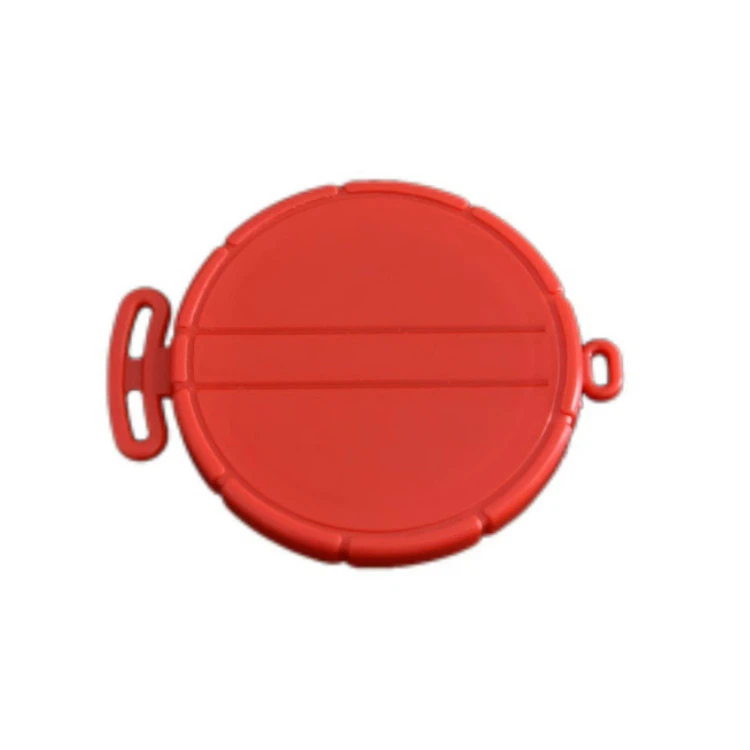
Before we dive into the packaging process, let's take a moment to understand what an IBC Red Sealing Cover is and why proper packaging is essential. IBC (Intermediate Bulk Container) Red Sealing Covers are designed to provide a secure and reliable seal for IBC tanks, preventing leaks and contamination. These covers are typically made from high-quality materials such as polyethylene or polypropylene, which offer excellent chemical resistance and durability.
Given the importance of the IBC Red Sealing Cover in maintaining the integrity of the IBC tank, it's crucial to package them carefully to prevent damage during shipping. Even minor damage to the cover can compromise its sealing ability, leading to potential leaks and safety hazards.

Choosing the Right Packaging Materials
The first step in packaging an IBC Red Sealing Cover for shipping is to choose the right materials. Here are some key considerations:

- Boxes: Select sturdy cardboard boxes that are slightly larger than the IBC Red Sealing Cover to allow for cushioning material. Make sure the boxes are in good condition and free from any damage or tears.
- Cushioning Material: Use appropriate cushioning material to protect the IBC Red Sealing Cover from impact and vibration during shipping. Options include bubble wrap, foam peanuts, or air pillows. The cushioning material should be thick enough to absorb shocks and prevent the cover from coming into direct contact with the box walls.
- Sealing Tape: Use high-quality packing tape to seal the boxes securely. Make sure to reinforce the seams and corners of the box for added strength.
Preparing the IBC Red Sealing Cover for Packaging
Once you have the necessary packaging materials, it's time to prepare the IBC Red Sealing Cover for packaging. Follow these steps:
- Clean the Cover: Before packaging, make sure the IBC Red Sealing Cover is clean and free from any debris or contaminants. This will help prevent damage to the cover during transit and ensure that it arrives in a pristine condition.
- Inspect for Damage: Carefully inspect the cover for any signs of damage, such as cracks, scratches, or dents. If you notice any damage, it's important to address it before packaging to prevent further issues during shipping.
- Wrap the Cover: Wrap the IBC Red Sealing Cover in a layer of bubble wrap or other cushioning material to provide additional protection. Make sure to cover the entire surface of the cover, including the edges and corners.
Packaging the IBC Red Sealing Cover
Now that the IBC Red Sealing Cover is prepared, it's time to package it in the box. Follow these steps:
- Place Cushioning Material in the Box: Line the bottom of the box with a layer of cushioning material, such as foam peanuts or air pillows. This will help absorb shocks and prevent the cover from hitting the bottom of the box during transit.
- Insert the Cover: Carefully place the wrapped IBC Red Sealing Cover in the box, making sure it is centered and does not touch the sides of the box. If necessary, adjust the position of the cover to ensure a snug fit.
- Add More Cushioning Material: Fill the remaining space in the box with additional cushioning material to prevent the cover from moving around during shipping. Make sure the cushioning material is packed tightly to provide maximum protection.
- Seal the Box: Once the cover is securely packed in the box, seal the box with packing tape. Make sure to reinforce the seams and corners of the box for added strength.
Labeling the Package
Proper labeling is essential for ensuring that the IBC Red Sealing Cover is shipped to the correct destination and handled properly during transit. Here are some key labeling considerations:
- Shipping Label: Attach a clear and legible shipping label to the box, including the recipient's address, your return address, and the shipping service you are using. Make sure the label is securely attached and does not cover any important information on the box.
- Handling Instructions: If necessary, include handling instructions on the box, such as "Fragile" or "This Side Up." This will help ensure that the package is handled with care during transit.
- Product Information: Include a label or tag on the box that provides information about the IBC Red Sealing Cover, such as the product name, model number, and quantity. This will help the recipient identify the contents of the package quickly and easily.
Securing the Package for Transit
In addition to proper packaging and labeling, it's important to secure the package for transit to prevent it from shifting or getting damaged during shipping. Here are some tips:
- Use Straps or Bands: If the box is large or heavy, consider using straps or bands to secure it further. This will help prevent the box from opening or shifting during transit.
- Stack the Boxes Carefully: If you are shipping multiple boxes, make sure to stack them carefully to prevent them from toppling over or getting damaged. Use pallets or other supports to keep the boxes stable.
- Choose a Reliable Shipping Service: Select a reliable shipping service that offers tracking and insurance options. This will help ensure that your package is delivered on time and that you are protected in case of any damage or loss during transit.
Additional Considerations for Shipping IBC Red Sealing Covers
In addition to the above steps, there are some additional considerations to keep in mind when shipping IBC Red Sealing Covers:
- International Shipping: If you are shipping IBC Red Sealing Covers internationally, make sure to comply with all relevant customs regulations and documentation requirements. This may include providing a commercial invoice, packing list, and other documents.
- Temperature and Humidity: IBC Red Sealing Covers may be sensitive to temperature and humidity changes. If you are shipping the covers in extreme conditions, consider using insulated packaging or climate-controlled shipping options to protect them.
- Regulatory Requirements: Depending on the nature of the IBC Red Sealing Covers and the destination country, there may be specific regulatory requirements that you need to comply with. Make sure to research and understand these requirements before shipping.
Conclusion
Proper packaging is essential for ensuring that IBC Red Sealing Covers arrive at their destination in perfect condition. By following the tips outlined in this blog post, you can protect your products from damage during shipping and maintain customer satisfaction. Remember to choose the right packaging materials, prepare the cover for packaging, label the package correctly, and secure it for transit. If you have any questions or need further assistance with packaging your IBC Red Sealing Covers, please don't hesitate to contact us. We're here to help you ensure a successful shipping experience.
In addition to IBC Red Sealing Covers, we also offer a wide range of other IBC tank fittings, including the IBC DN150 Black Breathable Cover, IBC Black Sealing Cover, and IBC Brushed Cover. If you're interested in learning more about our products or would like to discuss a potential purchase, please reach out to us. We look forward to the opportunity to work with you and meet your IBC tank fitting needs.
References
- Packaging and Shipping Guidelines for Industrial Products. (Year). Retrieved from [Source Name].
- Best Practices for Shipping Fragile Items. (Year). Retrieved from [Source Name].


