


As a supplier of IBC DN50 Welded Ball Valves, one question that frequently arises from our customers is whether these valves can be used in a cryogenic environment. This is a crucial inquiry, as cryogenic applications demand valves that can withstand extremely low temperatures without compromising performance. In this blog post, I'll delve into the technical aspects of the IBC DN50 Welded Ball Valve and explore its suitability for cryogenic use.
Understanding Cryogenic Environments
Cryogenic environments are characterized by extremely low temperatures, typically below -150°C (-238°F). These conditions are commonly found in industries such as liquefied natural gas (LNG) storage and transportation, medical research involving liquid nitrogen, and aerospace applications. In such environments, materials and components must be carefully selected to ensure they can maintain their mechanical properties and functionality.

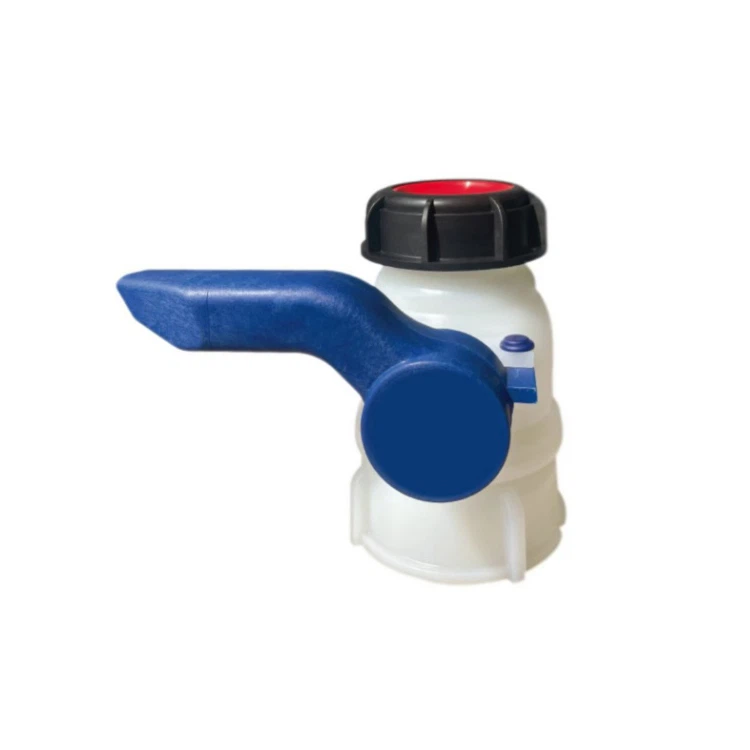
Technical Features of the IBC DN50 Welded Ball Valve
The IBC DN50 Welded Ball Valve is designed with several features that contribute to its performance and durability. It is constructed with high - quality materials, typically stainless steel, which offers excellent corrosion resistance. The valve's ball is precisely machined to ensure a tight seal, minimizing leakage and providing reliable shut - off capabilities. The welded design provides a strong and leak - proof connection, which is essential for many industrial applications.
Material Considerations for Cryogenic Use
When it comes to cryogenic applications, the choice of materials is of utmost importance. At low temperatures, many materials become brittle and lose their ductility, which can lead to cracking and failure. Stainless steel, the primary material used in our IBC DN50 Welded Ball Valve, has good cryogenic properties. Austenitic stainless steels, such as 304 and 316, retain their ductility and toughness at cryogenic temperatures. This means that the valve can withstand the stresses associated with temperature changes and mechanical loads without fracturing.
Seal Performance in Cryogenic Conditions
The sealing performance of a valve is critical in any application, and even more so in cryogenic environments. The IBC DN50 Welded Ball Valve uses high - performance seals that are designed to maintain their elasticity at low temperatures. These seals are made from materials such as polytetrafluoroethylene (PTFE), which has excellent low - temperature properties. PTFE can remain flexible and provide a reliable seal even in extremely cold conditions, preventing leakage of cryogenic fluids.
Thermal Expansion and Contraction
One of the challenges in cryogenic applications is dealing with thermal expansion and contraction. As the temperature drops, materials contract, and this can affect the fit and performance of the valve. The IBC DN50 Welded Ball Valve is designed with tolerances that take into account the thermal contraction of the materials. The welded structure also helps to maintain the integrity of the valve during temperature changes, as it provides a rigid connection that can withstand the stresses caused by contraction.
Case Studies and Industry Experience
Over the years, we have received feedback from customers who have used our IBC DN50 Welded Ball Valves in cryogenic applications. In many cases, the valves have performed well, providing reliable shut - off and long - term service. For example, in LNG storage facilities, our valves have been used to control the flow of liquefied gas, where they have withstood the extremely low temperatures and high - pressure conditions without any significant issues.
Comparison with Other Valves
When considering valves for cryogenic applications, there are other options available in the market. For example, the IBC Tank Butterfly Valve is another type of valve used in IBC tank applications. However, butterfly valves may not be as suitable for cryogenic use as ball valves. Butterfly valves have a disc that rotates to control flow, and the seals on butterfly valves may be more prone to leakage at low temperatures. In contrast, the ball valve design of the IBC DN50 Welded Ball Valve provides a more positive shut - off and better performance in cryogenic conditions.
The IBC Valves for IBC Tanks IBC Containers also include a variety of valve types. While some of these valves may be suitable for general IBC tank applications, not all are designed to handle cryogenic temperatures. The IBC DN50 Welded Ball Valve, with its specific design and material selection, is better equipped to meet the demands of cryogenic environments.
The IBC DN50 Quick Connect Valve is another alternative. Quick - connect valves are designed for easy installation and removal, but they may not have the same level of reliability and performance in cryogenic applications as the welded ball valve. The welded construction of the IBC DN50 Welded Ball Valve provides a more permanent and secure connection, which is essential in cryogenic systems.
Limitations and Precautions
While the IBC DN50 Welded Ball Valve has many features that make it suitable for cryogenic use, there are some limitations and precautions to be aware of. First, the valve should be properly installed and maintained. Incorrect installation can lead to misalignment and leakage, especially in cryogenic conditions where any small defect can have significant consequences. Second, the valve should be used within its specified temperature and pressure range. Exceeding these limits can cause damage to the valve and compromise its performance.
Conclusion
In conclusion, the IBC DN50 Welded Ball Valve can be used in cryogenic environments. Its high - quality materials, well - designed seals, and welded construction make it suitable for withstanding the challenges of extremely low temperatures. However, proper installation, maintenance, and operation within the specified parameters are essential to ensure its long - term performance.
If you are in the market for a valve for your cryogenic application, we invite you to contact us to discuss your specific requirements. Our team of experts can provide you with detailed information and guidance to help you make the right choice for your project. We are committed to providing high - quality products and excellent customer service, and we look forward to the opportunity to work with you.
References
- ASME B31.3 - Process Piping Code
- API 6D - Specification for Pipeline Valves
- ASTM standards for stainless steel materials used in cryogenic applications


