


Hey there! As a supplier of the IBC DN50 Welded Ball Valve, I often get asked about the special installation requirements for this valve in a pipeline system. So, let's dive right in and talk about it.
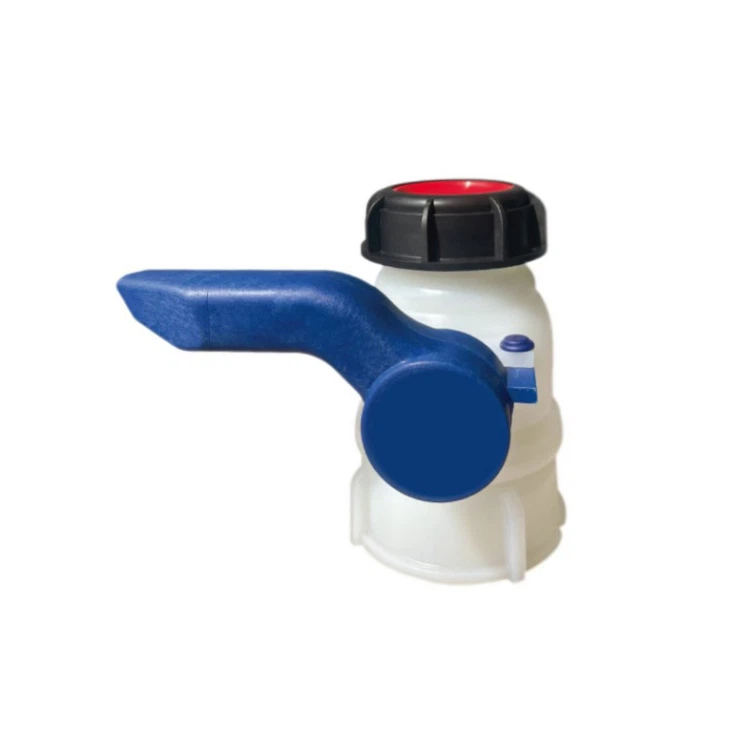

First off, let's understand what the IBC DN50 Welded Ball Valve is all about. This valve is a key component in many industrial pipeline systems. It's designed to control the flow of fluids, and its welded construction makes it sturdy and reliable. Whether you're dealing with chemicals, water, or other substances, this valve can handle the job.
Preparation Before Installation
Before you start installing the IBC DN50 Welded Ball Valve, there are a few things you need to do. First, make sure the pipeline is clean. Any dirt, debris, or other contaminants can cause problems with the valve's operation. You can use a cleaning solution and a brush to clean the inside of the pipeline thoroughly.
Next, check the pipeline's dimensions. The DN50 in the valve's name refers to its nominal diameter. You need to ensure that the pipeline has the correct diameter to fit the valve properly. If the pipeline is too small or too large, it can lead to leaks or other issues.
Also, gather all the necessary tools for the installation. You'll typically need a welding machine, a wrench, and some measuring tools. Having everything ready beforehand will make the installation process go much smoother.
Welding the Valve
One of the main features of the IBC DN50 Welded Ball Valve is its welded connection. Welding is a crucial step in the installation process, and it needs to be done correctly.
First, position the valve in the pipeline. Make sure it's aligned properly and that there's no misalignment that could cause stress on the valve later. You can use clamps or other fixtures to hold the valve in place while you weld.
When it comes to welding, you need to follow the appropriate welding procedures. Use the right type of welding rod and set the welding machine to the correct parameters. The welding should be done in a clean and well - ventilated area.
During the welding process, pay close attention to the quality of the weld. A good weld should be smooth and free of cracks or pores. If you notice any problems with the weld, you may need to redo it.
Testing the Valve
After the valve is installed, it's essential to test it to make sure it's working correctly. You can perform a pressure test to check for leaks.
First, close the valve and then pressurize the pipeline. You can use a pressure gauge to monitor the pressure. If there are any leaks, you'll notice a drop in pressure. Check all the welded joints and connections for any signs of leakage.
If you find a leak, you may need to repair the weld or tighten the connections. Once you've fixed the issue, repeat the pressure test until the valve passes the test.
Compatibility with Other Components
The IBC DN50 Welded Ball Valve needs to be compatible with other components in the pipeline system. For example, it should work well with other valves, pumps, and fittings.
Make sure that the materials of the valve are compatible with the substances flowing through the pipeline. If the valve is made of a material that's not resistant to the chemicals or other substances in the pipeline, it can corrode or deteriorate over time.
Also, consider the operating conditions of the pipeline system. The valve should be able to handle the pressure, temperature, and flow rate of the system. If the valve is rated for a lower pressure or temperature than the actual operating conditions, it can fail.
Comparison with Other Valves
Now, let's compare the IBC DN50 Welded Ball Valve with some other types of valves. For example, there's the IBC DN50 Quick Connect Valve. The quick - connect valve is easier to install and remove, which can be useful in some situations where you need to make frequent changes to the pipeline. However, the welded ball valve offers a more permanent and secure connection, which is better for long - term use.
Another valve to compare with is the IBC DN80 Welded Ball Valve. The DN80 valve has a larger diameter, which means it can handle a higher flow rate. But if your pipeline system doesn't require a high flow rate, the DN50 valve may be a more cost - effective option.
Maintenance Requirements
Even after the IBC DN50 Welded Ball Valve is installed and working properly, it still needs regular maintenance. You should check the valve periodically for any signs of wear or damage.
Lubricate the valve's moving parts as recommended by the manufacturer. This can help to ensure smooth operation and prevent corrosion.
If you notice any problems with the valve, such as a leak or difficulty in opening and closing, address them immediately. Ignoring these issues can lead to more significant problems down the road.
Conclusion
In conclusion, the IBC DN50 Welded Ball Valve has some special installation requirements, especially when it comes to welding. But if you follow the proper procedures, it can be a reliable and long - lasting component in your pipeline system.
As a supplier, I'm here to help you with any questions you may have about the installation, operation, or maintenance of the IBC DN50 Welded Ball Valve. If you're interested in purchasing our valves or learning more about them, feel free to reach out. We also offer a wide range of IBC Valves for IBC Tanks IBC Containers to meet your different needs.
If you're looking for a high - quality valve for your pipeline system, consider the IBC DN50 Welded Ball Valve. Contact us today to start the procurement process and get the best valve for your project.
References
- General industrial valve installation guidelines
- Manufacturer's instructions for the IBC DN50 Welded Ball Valve


