


Hey there! As a supplier of the IBC DN50 Welded Ball Valve, I'm super excited to share with you all the materials used in making this awesome valve. So, let's dive right in!
The Basics of the IBC DN50 Welded Ball Valve
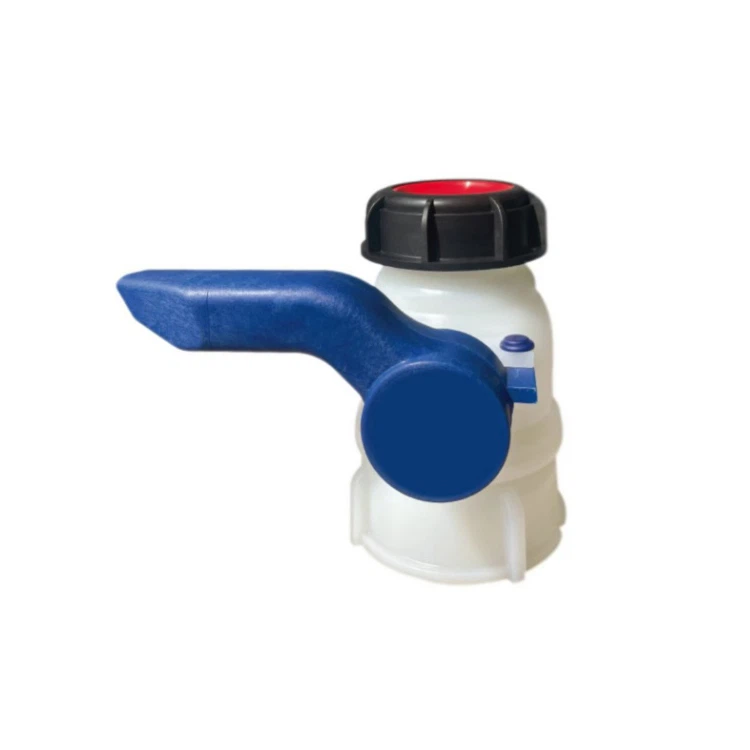
First off, if you're not familiar with the IBC DN50 Welded Ball Valve, it's a crucial component for IBC tanks and containers. These valves are designed to control the flow of liquids or gases within the IBC system. They're known for their durability, reliability, and efficient performance.
Body Material
The body of the IBC DN50 Welded Ball Valve is typically made from high - quality materials. One of the most common materials is stainless steel. Stainless steel is a top choice because it's highly resistant to corrosion. Whether it's exposed to harsh chemicals, water, or different environmental conditions, stainless steel can hold up well. It also has good strength, which means the valve body can withstand the pressure from the fluids flowing through it.
Another option for the body material is polypropylene. Polypropylene is a type of plastic that's lightweight and cost - effective. It's also resistant to many chemicals, making it suitable for use in various industries. Polypropylene valves are often used in applications where the weight of the valve is a concern or when the cost needs to be kept low.
Ball Material
The ball inside the valve is a key part that controls the flow. For the IBC DN50 Welded Ball Valve, the ball is usually made of materials that can provide a good seal and smooth operation. Stainless steel is again a popular choice for the ball. Its smooth surface allows for easy rotation within the valve body, and it can form a tight seal when the valve is closed.
In some cases, ceramic balls are used. Ceramic is extremely hard and wear - resistant. It can handle high - pressure applications and is less likely to get damaged over time. This makes ceramic balls ideal for valves that are used in demanding industrial environments.
Seat Material
The seat of the valve is where the ball makes contact to create a seal. A common seat material is PTFE (Polytetrafluoroethylene). PTFE is well - known for its low friction coefficient, which means the ball can move smoothly against the seat. It also has excellent chemical resistance and can withstand a wide range of temperatures. This makes it suitable for use in valves that handle different types of fluids.
Another seat material option is NBR (Nitrile Butadiene Rubber). NBR is a type of rubber that offers good elasticity. It can form a tight seal even under low - pressure conditions. NBR seats are often used in applications where a more flexible seal is required.
Stem Material
The stem is what connects the ball to the actuator (the part that controls the valve's opening and closing). Stainless steel is a standard material for the stem. It has the strength to transfer the rotational force from the actuator to the ball. Also, its corrosion resistance ensures that the stem doesn't get damaged over time, which could lead to valve malfunction.
Gasket and O - Ring Materials
Gaskets and O - rings are used to prevent leakage between different parts of the valve. EPDM (Ethylene Propylene Diene Monomer) is a common material for gaskets and O - rings. EPDM has good resistance to water, steam, and many chemicals. It can maintain its elasticity over a wide range of temperatures, which is important for creating a reliable seal.
Silicone is another option. Silicone gaskets and O - rings are known for their high - temperature resistance. They can be used in applications where the valve is exposed to hot fluids or high - temperature environments.
Comparison with Other IBC Valves
When compared to other types of IBC valves like the IBC Plastic Butterfly Valve, the IBC DN50 Welded Ball Valve has some unique advantages. The ball valve provides a more positive shut - off, which means it can completely stop the flow of fluid. Butterfly valves, on the other hand, may have a small amount of leakage when fully closed.
The IBC Valves for IBC Tanks IBC Containers come in different designs and materials, but the IBC DN50 Welded Ball Valve stands out for its robust construction and efficient flow control.
Importance of Material Selection
The choice of materials for the IBC DN50 Welded Ball Valve is crucial. It directly affects the valve's performance, lifespan, and suitability for different applications. For example, if a valve is going to be used in a chemical processing plant, materials with high chemical resistance like stainless steel or PTFE are essential. On the other hand, if the valve is for a simple water - handling system, polypropylene and NBR might be sufficient.
Applications
The IBC DN50 Welded Ball Valve can be used in a wide range of industries. In the food and beverage industry, stainless steel valves are often used because they meet the strict hygiene standards. The valve can control the flow of liquids such as milk, juice, or beer.
In the chemical industry, valves made of materials with high chemical resistance are necessary. They can handle the flow of acids, bases, and other corrosive chemicals.

The pharmaceutical industry also uses these valves. The high - quality materials ensure that there is no contamination of the pharmaceutical products, and the valves can meet the strict regulations in this industry.
Why Choose Our IBC DN50 Welded Ball Valve
As a supplier, we take pride in offering high - quality IBC DN50 Welded Ball Valves. We carefully select the materials to ensure that our valves meet the highest standards. Whether you need a valve for a small - scale operation or a large - scale industrial application, we have the right solution for you. Our valves are tested thoroughly to guarantee their performance and reliability.
Let's Connect!
If you're in the market for an IBC DN50 Welded Ball Valve, or if you have any questions about the materials, applications, or anything related to our valves, don't hesitate to reach out. We're here to help you make the best choice for your needs. Let's start a conversation and see how we can work together to meet your valve requirements.
References
- Valves Handbook: A Comprehensive Guide to Valve Technology and Applications
- Industrial Materials and Their Properties by John Smith
- Chemical Resistance of Polymers and Elastomers by Mary Johnson


