


Temperature is a critical environmental factor that can significantly influence the performance of various industrial components. In the context of IBC (Intermediate Bulk Container) tank valves, which are essential for controlling the flow of liquids or gases in these large - scale containers, temperature plays a vital role. As an IBC tank valves supplier, I've witnessed firsthand how temperature variations can impact the functionality and longevity of these valves.
Effects of High Temperatures on IBC Tank Valves
Material Degradation
One of the most immediate impacts of high temperatures on IBC tank valves is material degradation. Valves are often made from a variety of materials such as plastics, metals, and elastomers. For plastic valves like the IBC Plastic Butterfly Valve, high temperatures can cause the plastic to soften, lose its structural integrity, and become more prone to deformation. This softening can lead to leaks around the valve stem or the valve seat, compromising the valve's ability to control the flow effectively.
Metallic valves, while generally more heat - resistant than plastic ones, are also not immune to the effects of high temperatures. At elevated temperatures, metals can undergo thermal expansion, which might cause misalignment of valve components. For instance, the valve body and the bonnet could expand at different rates, leading to gaps and potential leaks. Additionally, high - temperature oxidation can occur on metal surfaces, reducing the corrosion resistance of the valve and eventually leading to failures.
Seal Failure
Seals in IBC tank valves are crucial for preventing leaks. Elastomeric seals, which are commonly used, are highly sensitive to temperature. When exposed to high temperatures, elastomers can lose their elasticity and start to harden or even melt. This loss of elasticity means that the seal can no longer form a tight barrier between different parts of the valve. For example, in a ball valve, the seal around the ball might fail, allowing the fluid to bypass the valve and cause an uncontrolled flow. This not only poses a safety risk but can also result in product loss and environmental contamination.
Lubrication Breakdown
Many IBC tank valves rely on lubrication to ensure smooth operation. High temperatures can cause the lubricants used in these valves to break down. When the lubricant breaks down, the friction between moving parts increases. In a valve with a rotating ball or a disc, such as the IBC DN50 Welded Ball Valve, the increased friction can make it difficult to open or close the valve, and in severe cases, it can lead to mechanical failure of the valve actuator.
Effects of Low Temperatures on IBC Tank Valves
Brittleness of Materials
Low temperatures can make materials more brittle. Plastic valves are particularly susceptible to this effect. When the temperature drops, the molecular structure of the plastic becomes more rigid, and the material loses its ductility. A sudden shock or mechanical stress on a plastic valve at low temperatures can cause it to crack. Cracks in the valve body can lead to leaks and render the valve useless.
Metallic valves can also experience embrittlement at low temperatures, especially in ferrous metals. The decrease in temperature can change the crystal structure of the metal, making it more likely to fracture under stress. This is a significant concern in industries where IBC tanks are used in cold storage or in outdoor environments during winter.
Viscosity Changes of Fluids
The temperature also affects the viscosity of the fluids flowing through the IBC tank valves. At low temperatures, the viscosity of most fluids increases. This means that the fluid presents more resistance to flow through the valve. For valves that are designed to control the flow rate based on a certain fluid viscosity, the increased viscosity can lead to inaccurate flow control. For example, a control valve may not be able to achieve the desired flow rate, which can impact the overall process efficiency.
Impact on Valve Operation and Maintenance
Increased Operational Challenges
Temperature - induced changes in valve performance can pose significant operational challenges. Operators may find it difficult to operate the valves, especially when the friction has increased due to lubrication breakdown or when the materials have become more brittle. This can lead to delays in the filling or emptying of IBC tanks, reducing productivity.

Higher Maintenance Requirements
The performance degradation caused by temperature variations also means higher maintenance requirements. Valve components that are damaged by temperature need to be replaced more frequently. Seals, lubricants, and even the entire valve body may need to be swapped out to ensure proper functioning. This not only increases the cost of maintenance but also the downtime of the IBC tank systems, as maintenance activities often require the equipment to be taken out of service.
Choosing the Right Valves for Temperature Conditions
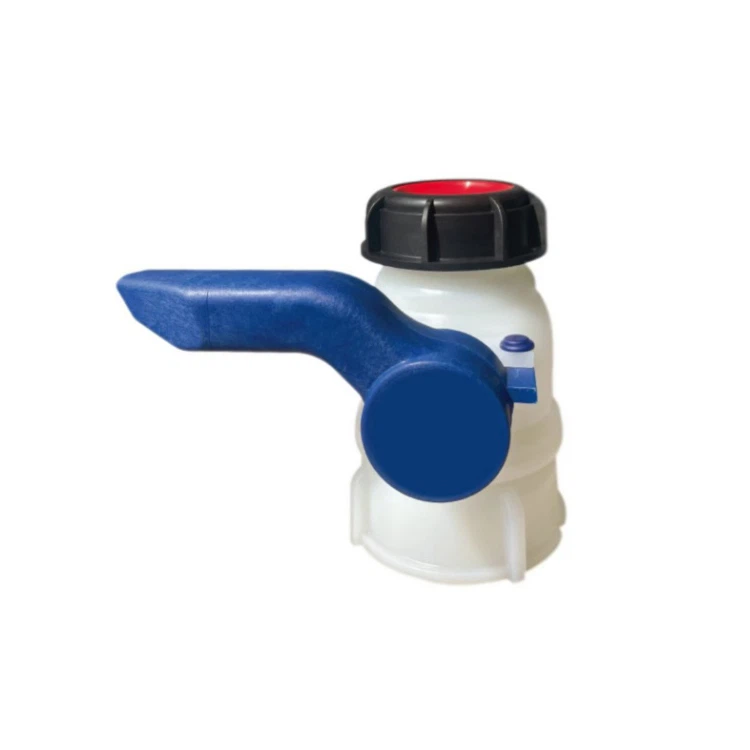
As a supplier, we understand the importance of providing valves that can withstand different temperature conditions. Our IBC Valves for IBC Tanks IBC Containers are carefully selected and designed to meet the diverse needs of our customers. For high - temperature applications, we offer valves made from heat - resistant materials such as stainless steel and high - performance plastics. These materials can maintain their structural integrity and performance under elevated temperatures.
For low - temperature environments, we provide valves with materials that have a lower brittleness temperature, ensuring that they can operate safely in cold conditions. We also offer advice on proper insulation and maintenance practices to mitigate the effects of temperature on valve performance.
Conclusion
Temperature has a far - reaching impact on the performance of IBC tank valves. From material degradation and seal failure at high temperatures to brittleness and viscosity - related issues at low temperatures, these effects can disrupt the normal operation of IBC tank systems and increase maintenance costs. However, with the right selection of valves and proper maintenance, the negative impacts of temperature can be minimized.
If you're looking for high - quality IBC tank valves that can withstand various temperature conditions, we're here to help. Our team of experts can assist you in choosing the most suitable valves for your specific requirements. Whether your operations involve high - temperature chemical processing or low - temperature storage, we have the solutions to ensure the reliable and efficient performance of your IBC tank systems. Contact us today to start a discussion about your valve needs and how we can support your business.
References
- "Valve Handbook" by Robert A. Gaylord
- "Engineering Properties of Plastics" by Charles A. Harper
- Technical documentation from valve manufacturers on temperature - related performance.


