


As a supplier of Ibc Tank Butterfly Valves, I understand the critical importance of ensuring the performance of these valves. In this blog post, I will share some insights on how to test the performance of an Ibc Tank Butterfly Valve.
1. Understanding the Basics of Ibc Tank Butterfly Valves
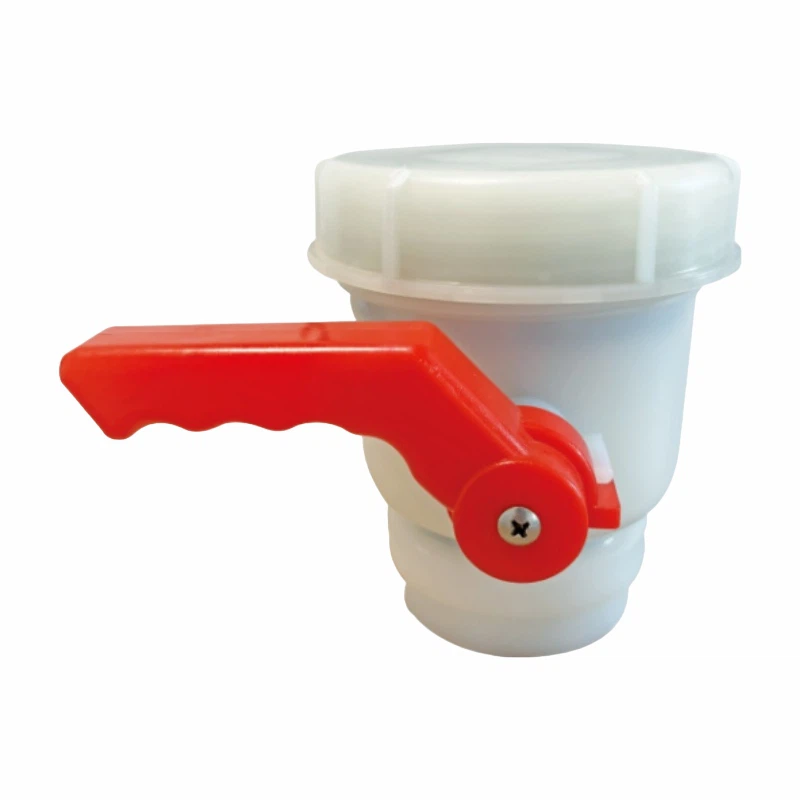
Before diving into the testing process, it's essential to have a clear understanding of what an Ibc Tank Butterfly Valve is. These valves are commonly used in intermediate bulk containers (IBCs) to control the flow of liquids or gases. They consist of a disc mounted on a rotating shaft, which can be turned to open or close the valve.
The performance of an Ibc Tank Butterfly Valve can be evaluated based on several key factors, including flow rate, pressure drop, leakage, and actuation torque. By testing these parameters, we can ensure that the valve meets the required standards and performs reliably in various applications.

2. Pre - testing Preparations
2.1 Inspection of the Valve
Before conducting any performance tests, a thorough visual inspection of the valve is necessary. Check for any visible damage, such as cracks, scratches, or deformities on the valve body, disc, and stem. Ensure that all the components are properly assembled and that there are no loose parts.
2.2 Mounting the Valve
The valve should be correctly mounted in a test setup that mimics its actual operating conditions as closely as possible. Use appropriate gaskets and fittings to ensure a leak - free connection. Make sure the valve is aligned properly to avoid any additional stress on the components during testing.
2.3 Calibration of Testing Equipment
All the testing equipment, such as flow meters, pressure gauges, and torque wrenches, should be calibrated before use. This ensures the accuracy of the test results. Follow the manufacturer's instructions for calibration procedures and keep a record of the calibration data.
3. Flow Rate Testing
3.1 Setting up the Test
To test the flow rate of an Ibc Tank Butterfly Valve, connect the valve to a pipeline with a known cross - sectional area. Use a flow meter to measure the volume of fluid passing through the valve per unit time. The fluid used for testing should have similar properties to the actual fluid that the valve will handle in service.
3.2 Conducting the Test
Open the valve fully and start the flow of fluid. Allow the system to reach a steady - state condition before taking any measurements. Record the flow rate at different time intervals to ensure consistency. Then, gradually close the valve in increments and record the corresponding flow rates at each position.
3.3 Analyzing the Results
Plot a graph of flow rate versus valve opening percentage. The ideal flow rate curve should show a smooth and proportional relationship between the valve opening and the flow rate. Any significant deviations from the expected curve may indicate problems with the valve's internal design or operation.
4. Pressure Drop Testing
4.1 Measuring Pressure
Install pressure gauges upstream and downstream of the valve. Before starting the test, ensure that the pressure gauges are properly zeroed. Start the flow of fluid through the valve and measure the pressure at both the upstream and downstream points.
4.2 Calculating Pressure Drop
The pressure drop across the valve is calculated by subtracting the downstream pressure from the upstream pressure. Record the pressure drop at different valve openings and flow rates.
4.3 Evaluating the Results
A high pressure drop may indicate restrictions in the valve's flow path, such as a partially blocked disc or a misaligned valve. Compare the measured pressure drop with the manufacturer's specifications. If the pressure drop is higher than expected, further investigation is required to identify and resolve the issue.
5. Leakage Testing
5.1 Hydrostatic Leakage Test
For hydrostatic leakage testing, close the valve and fill the pipeline with a test fluid (usually water) at a specified pressure. The test pressure should be higher than the normal operating pressure of the valve. Keep the valve under pressure for a certain period (e.g., 15 - 30 minutes) and check for any visible leaks around the valve body, stem, and connections.
5.2 Gas Leakage Test
In some cases, a gas leakage test may be required, especially for applications where the valve will handle gases. Use a gas detector to check for any gas leaks. The test gas should be non - toxic and non - flammable. Similar to the hydrostatic test, keep the valve under pressure and monitor for leaks.
5.3 Acceptance Criteria
The leakage rate should be within the acceptable limits specified by the relevant standards or the customer's requirements. Any leakage beyond the acceptable level indicates a faulty valve that needs to be repaired or replaced.
6. Actuation Torque Testing
6.1 Measuring Torque
Use a torque wrench to measure the torque required to open and close the valve. The valve should be tested at different positions, including fully open, fully closed, and intermediate positions.
6.2 Evaluating the Results
The actuation torque should be consistent and within the specified range. A high actuation torque may indicate excessive friction between the valve components, such as the stem and the packing, or a problem with the valve's internal mechanism.
7. Comparing with Industry Standards
After conducting all the performance tests, compare the test results with the relevant industry standards, such as ISO, ASTM, or other specific standards for Ibc Tank Butterfly Valves. These standards provide guidelines on the acceptable performance parameters, including flow rate, pressure drop, leakage, and actuation torque.
If the valve fails to meet the standards, identify the root causes of the problem and take appropriate corrective actions, such as adjusting the valve components, replacing worn - out parts, or improving the manufacturing process.
8. Importance of Performance Testing for Our Customers
As a supplier, we understand that our customers rely on the performance of our Ibc Tank Butterfly Valves for their operations. By conducting comprehensive performance tests, we can ensure that the valves we supply are of high quality and can perform reliably in different environments.
Our IBC Plastic Butterfly Valve, IBC DN80 Welded Ball Valve, and IBC DN50 Welded Butterfly Valve have all undergone rigorous testing to meet the highest standards. We are committed to providing our customers with valves that offer excellent performance, durability, and safety.
9. Contact Us for Procurement and Consultation
If you are in the market for high - quality Ibc Tank Butterfly Valves or have any questions about valve performance testing, we are here to help. Our team of experts can provide you with detailed information about our products and assist you in selecting the right valve for your specific application. Contact us today to start a discussion about your procurement needs and explore how our valves can enhance the efficiency and reliability of your operations.
References
- ASME B16.34 - Valves - Flanged, Threaded, and Welded End
- ISO 5208 - Industrial valves - Pressure testing of valves
- ASTM F1044 - Standard Specification for Butterfly Valves for Waterworks Service


