


Cavitation is a common and troublesome issue in the operation of IBC DN50 Welded Ball Valves. As a reliable supplier of these valves, I understand the importance of preventing cavitation to ensure the long - term performance and durability of the valves. In this blog, I will share some effective strategies to prevent cavitation in IBC DN50 Welded Ball Valves.
Understanding Cavitation in IBC DN50 Welded Ball Valves
Before delving into prevention methods, it's crucial to understand what cavitation is and how it occurs in IBC DN50 Welded Ball Valves. Cavitation happens when the local pressure in a liquid drops below its vapor pressure, causing the formation of vapor bubbles. These bubbles then collapse when they move to an area of higher pressure, generating shockwaves that can damage the valve components.
In the context of IBC DN50 Welded Ball Valves, cavitation often occurs when the valve is partially open. The fluid velocity increases as it passes through the narrow opening, leading to a decrease in pressure. If the pressure drops below the vapor pressure of the fluid, cavitation bubbles form. When the fluid moves downstream and the pressure rises, these bubbles implode, causing erosion and pitting on the valve ball, seat, and other internal parts.
Strategies to Prevent Cavitation
1. Proper Valve Sizing
One of the most fundamental steps in preventing cavitation is to ensure that the IBC DN50 Welded Ball Valve is properly sized for the application. An undersized valve will cause the fluid to flow at a higher velocity, increasing the risk of cavitation. On the other hand, an oversized valve may not provide accurate flow control.

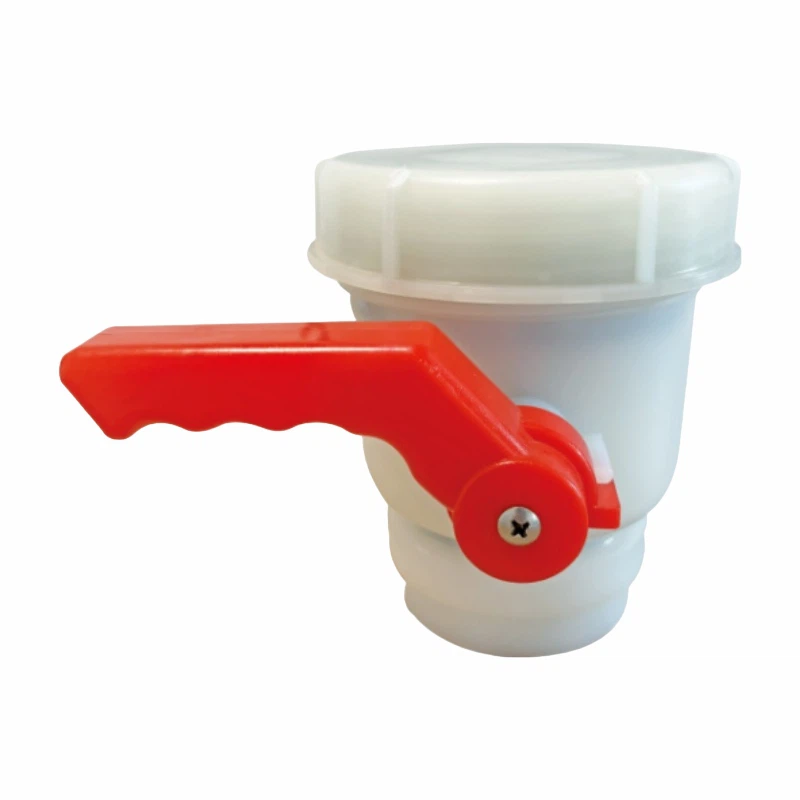
When selecting a valve, consider the flow rate, pressure drop, and fluid properties of the system. Use engineering calculations or consult with a valve expert to determine the appropriate valve size. For example, if the system has a high flow rate, a larger valve may be required to maintain a lower fluid velocity and prevent cavitation.
2. Pressure Management
Managing the pressure in the system is another key aspect of cavitation prevention. Keep the pressure drop across the valve within acceptable limits. High - pressure drops can lead to significant decreases in pressure, increasing the likelihood of cavitation.
Install pressure - regulating devices such as pressure - reducing valves upstream of the IBC DN50 Welded Ball Valve. These devices can help maintain a stable pressure in the system, reducing the risk of pressure fluctuations that can cause cavitation. Additionally, monitor the pressure regularly to detect any abnormal changes and take corrective actions promptly.
3. Flow Control Techniques
Proper flow control can also help prevent cavitation. Avoid operating the valve in a partially open position for extended periods. When the valve is partially open, the fluid velocity increases, making cavitation more likely. Instead, try to operate the valve in either a fully open or fully closed position whenever possible.
If precise flow control is required, consider using additional flow - control devices such as flow restrictors or orifice plates. These devices can help regulate the flow rate and reduce the fluid velocity, minimizing the risk of cavitation.
4. Material Selection
The choice of materials for the IBC DN50 Welded Ball Valve can also impact its resistance to cavitation. Select materials that are more resistant to erosion and pitting caused by cavitation. For example, stainless steel is a popular choice for valve components due to its high strength and corrosion resistance.
In some cases, using hard - faced materials for the valve ball and seat can provide additional protection against cavitation damage. These hard - faced materials can withstand the impact of the collapsing cavitation bubbles better than standard materials, extending the service life of the valve.
5. System Design Considerations
The overall system design can also play a role in preventing cavitation. Ensure that the piping layout is designed to minimize sudden changes in flow direction or cross - sectional area. Sharp bends, contractions, or expansions in the piping can cause pressure drops and increase the risk of cavitation.
Use smooth - walled pipes and fittings to reduce friction and turbulence in the fluid flow. Additionally, consider the elevation changes in the system. If the valve is located at a significant elevation difference, it can affect the pressure distribution and increase the likelihood of cavitation.
Related Products for Complementary Solutions
In addition to the IBC DN50 Welded Ball Valve, we also offer other high - quality valve products that can be used in conjunction to enhance system performance and prevent cavitation. For example, the IBC DN50 Quick Connect Valve provides a convenient and reliable way to connect and disconnect the valve in the system. The IBC DN80 Welded Ball Valve is suitable for applications with higher flow rates, while the IBC DN80 Integrated Butterfly Valve offers excellent flow control capabilities.
Conclusion
Preventing cavitation in IBC DN50 Welded Ball Valves is essential for ensuring the reliable operation and long - term performance of the valves. By following the strategies outlined in this blog, such as proper valve sizing, pressure management, flow control techniques, material selection, and system design considerations, you can significantly reduce the risk of cavitation and extend the service life of your valves.
If you are interested in learning more about our IBC DN50 Welded Ball Valves or other valve products, or if you have any questions regarding cavitation prevention, please feel free to contact us for procurement and further discussion. Our team of experts is ready to assist you in finding the best solutions for your specific application.
References
- "Valve Handbook", 4th Edition, CRC Press
- "Fluid Mechanics", 7th Edition, McGraw - Hill Education
- Technical literature from valve manufacturers on cavitation prevention


