


As a supplier of IBC Red Breathable Covers, I've witnessed firsthand the growing interest in understanding how these covers impact the humidity inside Intermediate Bulk Containers (IBCs). In this blog, I'll delve into the science behind it, explore real - world implications, and share insights based on our extensive experience in the industry.
Understanding the Basics of IBCs and Humidity
IBCs are widely used for storing and transporting various liquids and granular materials. Maintaining the right humidity level inside these containers is crucial, as excessive humidity can lead to a range of issues. For instance, it can cause corrosion of the container's interior, which not only shortens the lifespan of the IBC but also poses a risk to the quality of the stored product. In the case of hygroscopic materials, high humidity can lead to clumping, degradation of the product's quality, and even the growth of mold and bacteria.
The Science of the IBC Red Breathable Cover
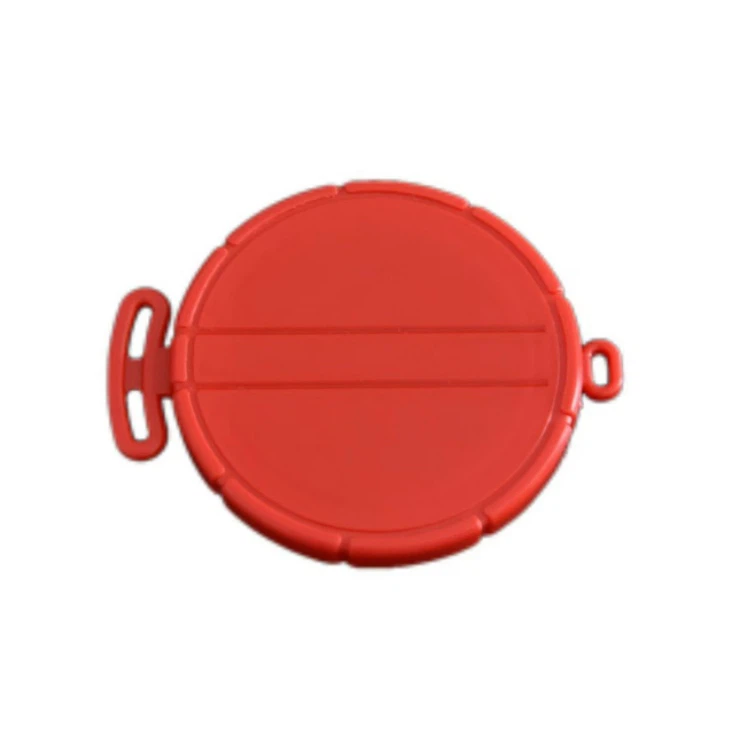
The IBC Red Breathable Cover is designed with a unique breathable membrane. This membrane allows air to pass through while preventing the ingress of dust, dirt, and large water droplets. When it comes to humidity, the breathable nature of the cover plays a vital role.
Moisture Exchange
The cover enables a natural process of moisture exchange between the inside and outside of the IBC. As the air inside the container warms up during the day, the water vapor it holds expands. The breathable cover allows this warm, moist air to escape to the outside environment. Conversely, when the temperature drops at night, dry air from the outside can enter the IBC, helping to maintain a more stable humidity level.

Preventing Condensation
Condensation is a common problem in closed containers. When warm, moist air inside the IBC comes into contact with the cooler walls of the container, water droplets form on the surface. The IBC Red Breathable Cover helps to mitigate this issue. By allowing the exchange of air, it reduces the temperature difference between the inside and outside of the container, thus minimizing the likelihood of condensation.
Real - World Impact on Humidity
To better understand the impact of the IBC Red Breathable Cover on humidity, let's look at some real - world scenarios.
Storage in Humid Environments
In regions with high ambient humidity, such as coastal areas, traditional non - breathable covers can trap moisture inside the IBC. This can lead to a significant increase in humidity levels over time, causing damage to the stored product. The IBC Red Breathable Cover, however, allows the excess moisture to escape, keeping the humidity inside the IBC at a more acceptable level.
Temperature Fluctuations
IBCs are often exposed to significant temperature fluctuations, especially during transportation. These temperature changes can cause rapid shifts in humidity levels inside the container. The breathable cover acts as a buffer, allowing the container to adjust to these changes more gradually. For example, when an IBC is moved from a cold warehouse to a hot loading dock, the cover helps to prevent a sudden spike in humidity that could harm the stored product.
Comparing with Other Covers
It's also important to compare the IBC Red Breathable Cover with other types of covers available in the market.
IBC Brushed Cover
The IBC Brushed Cover is a non - breathable cover. While it provides protection against dust and physical damage, it does not allow for air exchange. As a result, humidity can build up inside the IBC over time, leading to the problems mentioned earlier, such as corrosion and product degradation.
IBC DN150 Black Breathable Cover
The IBC DN150 Black Breathable Cover is another breathable option. However, the IBC Red Breathable Cover has some distinct advantages. The red color is more visible, making it easier to identify in a warehouse or during transportation. Additionally, our IBC Red Breathable Cover is made from high - quality materials that offer better durability and long - term performance.
Case Studies
We've conducted several case studies to quantify the impact of the IBC Red Breathable Cover on humidity. In one study, we compared two identical IBCs storing a hygroscopic powder. One IBC was fitted with the IBC Red Breathable Cover, while the other had a non - breathable cover.
Over a period of three months, the IBC with the non - breathable cover experienced a significant increase in humidity, leading to clumping of the powder. In contrast, the IBC with the Red Breathable Cover maintained a relatively stable humidity level, and the powder remained in good condition.
Best Practices for Using the IBC Red Breathable Cover
To maximize the benefits of the IBC Red Breathable Cover in controlling humidity, here are some best practices:
- Proper Installation: Ensure that the cover is installed correctly, with a tight seal around the opening of the IBC. This will prevent any unregulated air or moisture from entering the container.
- Regular Inspection: Periodically inspect the cover for any signs of damage or clogging. A damaged cover may not function properly, and a clogged breathable membrane can reduce its effectiveness.
- Consider the Environment: Take into account the ambient conditions where the IBC will be stored or transported. In extremely humid or dusty environments, additional measures may be required.
Why Choose Our IBC Red Breathable Cover
As a supplier, we take pride in offering high - quality IBC Red Breathable Covers. Our covers are manufactured using the latest technology and materials, ensuring optimal performance and durability. We also provide excellent customer service, offering technical support and guidance on the proper use of our products.
If you're looking to maintain the right humidity level inside your IBCs, our IBC Red Breathable Cover is the ideal solution. Whether you're storing chemicals, food products, or other sensitive materials, our cover can help protect your investment and ensure the quality of your stored goods.
Contact Us for Purchase and Discussion
If you're interested in learning more about our IBC Red Breathable Covers or would like to discuss your specific requirements, we invite you to get in touch. Our team of experts is ready to assist you in finding the best solution for your needs.
References
- ASTM International. "Standard Test Methods for Evaluating the Moisture Resistance of Packaging Materials."
- International Organization for Standardization (ISO). "ISO 16100 - 1:2017 - Industrial automation systems and integration — Manufacturing software capability profiling for interoperability — Part 1: Framework and methodology."
- Research studies on breathable membranes and their application in container storage.


