


Can the IBC Red Sealing Cover be used in a corrosive environment?
As a supplier of IBC Red Sealing Covers, I often receive inquiries from customers about the suitability of our products in various environments, especially corrosive ones. In this blog post, I'll delve into this topic, examining the factors that determine whether the IBC Red Sealing Cover can withstand corrosive conditions and offering insights to help you make an informed decision for your specific needs.
Understanding the IBC Red Sealing Cover
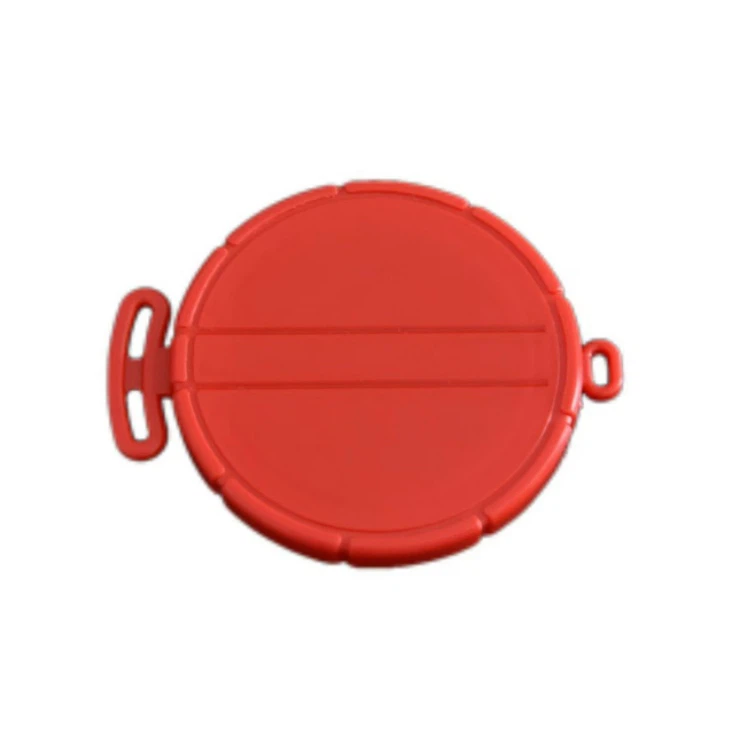
Before we discuss its performance in corrosive environments, let's briefly understand what the IBC Red Sealing Cover is. Intermediate Bulk Containers (IBCs) are widely used for storing and transporting a variety of liquids and solids. The red sealing cover is a crucial component that provides a tight seal to prevent leakage and contamination. It is typically made from high - quality materials that are chosen for their durability, flexibility, and sealing properties.
Factors Affecting the Use of IBC Red Sealing Covers in Corrosive Environments
-
Material Composition
The material of the IBC Red Sealing Cover plays a pivotal role in its resistance to corrosion. Most of our IBC Red Sealing Covers are made from polymers such as polyethylene or polypropylene. These materials have inherent chemical resistance to many common corrosive substances. For example, polyethylene has good resistance to acids, alkalis, and salts at moderate concentrations. However, different grades of polymers can have different levels of chemical resistance. Higher - grade polymers with enhanced additives may offer better protection against more aggressive corrosive agents. -
Concentration and Type of Corrosive Substances
The type and concentration of the corrosive substances present in the environment are significant factors. Mild acids or alkalis at low concentrations may not pose a significant threat to the IBC Red Sealing Cover. For instance, a diluted solution of acetic acid may have little effect on the cover over a short period. On the other hand, highly concentrated sulfuric acid or strong alkalis like sodium hydroxide can quickly degrade the cover material. Oxidizing agents can also be particularly corrosive, as they can react with the polymer chains in the cover, leading to embrittlement and loss of sealing ability.
-
Temperature and Pressure
Temperature and pressure can also influence the performance of the IBC Red Sealing Cover in a corrosive environment. Higher temperatures generally accelerate chemical reactions, increasing the rate of corrosion. If the IBC is stored or used in a hot environment, the cover may be more susceptible to damage from corrosive substances. Similarly, high pressure can cause the cover to deform, which may compromise its seal and expose it to more corrosive agents. -
Exposure Time
The length of time the IBC Red Sealing Cover is exposed to the corrosive environment is another critical factor. Short - term exposure to a moderately corrosive substance may not cause significant damage. However, long - term exposure can lead to gradual degradation of the cover material, resulting in cracks, leaks, and loss of functionality.
Testing and Certification
To ensure the reliability of our IBC Red Sealing Covers in different environments, we conduct extensive testing. Our products are tested against a range of corrosive substances under various conditions of temperature and pressure. We also follow industry standards and regulations to obtain relevant certifications. These certifications provide assurance that our products meet certain quality and performance criteria when used in specific environments.
Case Studies
Let's look at some real - world examples to illustrate the performance of IBC Red Sealing Covers in corrosive environments.
In a chemical manufacturing plant, IBCs were used to store a diluted solution of hydrochloric acid. The IBC Red Sealing Covers remained intact and maintained a good seal for several months. The low concentration of the acid and the chemical resistance of the cover material contributed to this successful performance.
However, in another case, an IBC was used to store a concentrated solution of nitric acid at high temperatures. Despite the initial good condition of the cover, after a few weeks of exposure, visible signs of degradation were observed, including discoloration and cracking. This highlights the importance of considering all the factors mentioned above when using the IBC Red Sealing Cover in a corrosive environment.
Alternatives for Highly Corrosive Environments
If you are dealing with a highly corrosive environment, you may want to consider some alternatives. We also offer other types of covers that may have better resistance to specific corrosive substances. For example, the IBC Black Sealing Cover is made from a different formulation of polymers that may provide enhanced protection against certain chemicals. The IBC DN150 Black Breathable Cover is designed with additional features that can help in environments where ventilation and corrosion resistance are both important. And the IBC Brushed Cover has a unique surface treatment that may offer improved durability in harsh conditions.
Making the Right Decision
When deciding whether to use the IBC Red Sealing Cover in a corrosive environment, you need to carefully evaluate the specific conditions of your application. Consider the type and concentration of the corrosive substances, the temperature and pressure, and the expected exposure time. If you are unsure, our technical support team is always available to provide detailed advice based on your specific situation.
Contact for Procurement and Consultation
If you are interested in purchasing IBC Red Sealing Covers or need more information about their performance in corrosive environments, please feel free to contact us. We are committed to providing high - quality products and excellent customer service. Our team of experts can assist you in selecting the most suitable cover for your needs and answer any questions you may have.

References
- ASTM International. (Year). Standard test methods for evaluating the chemical resistance of plastics.
- Chemical Engineering Handbook. (Year). Chapter on materials selection for corrosive environments.
- Manufacturer's product data sheets for IBC Red Sealing Covers.


