


Hey there! As a supplier of the IBC Red Breathable Cover, I often get asked a crucial question: "Is the IBC Red Breathable Cover resistant to chemicals?" Well, let's dive right into this topic and find out.
First off, let's understand what the IBC Red Breathable Cover is all about. IBC stands for Intermediate Bulk Container, and these covers are designed to fit on top of IBC tanks. The red breathable cover has a unique feature - it allows air to pass through while keeping contaminants out. This is super important for many industries that store liquids in IBC tanks, as proper ventilation can prevent pressure build - up and ensure the quality of the stored substances.
Now, when it comes to chemical resistance, it's not a one - size - fits - all answer. Different chemicals have different properties, and the IBC Red Breathable Cover's resistance depends on several factors.
Chemical Types and Their Impact
There are various types of chemicals, such as acids, bases, solvents, and salts. Each of these can react differently with the materials used in the IBC Red Breathable Cover.
Acids
Acids come in different strengths. Weak acids like acetic acid (found in vinegar) usually don't pose a significant threat to the IBC Red Breathable Cover. Our cover is made from high - quality materials that can withstand mild acidic environments for a reasonable period. However, strong acids like sulfuric acid or hydrochloric acid are a different story. These highly corrosive substances can break down the cover's material over time. If the cover is in constant contact with strong acids, it may start to deteriorate, losing its structural integrity and breathable function.
Bases
Bases, or alkalis, also vary in strength. Weak bases like sodium bicarbonate (baking soda) are generally well - tolerated by the IBC Red Breathable Cover. But strong bases such as sodium hydroxide can be quite harsh. They can cause the cover to swell, crack, or lose its elasticity. This is because strong bases can react with the polymers in the cover material, altering its chemical composition.
Solvents
Solvents are used to dissolve other substances. Common solvents like ethanol or acetone can have a moderate impact on the IBC Red Breathable Cover. Ethanol, which is used in many industrial and medical applications, may cause some minor swelling of the cover material. Acetone, on the other hand, is a more aggressive solvent. Prolonged exposure to acetone can lead to the softening and eventual dissolution of the cover.
Salts
Salts are generally less reactive compared to acids, bases, and solvents. However, some salts can be hygroscopic, meaning they absorb moisture from the air. If the IBC Red Breathable Cover is exposed to hygroscopic salts, it may become saturated with moisture, which can affect its breathable properties. Additionally, certain salts can form corrosive solutions when dissolved in water, which can then damage the cover.
Material Composition and Chemical Resistance
The IBC Red Breathable Cover is made from a combination of polymers and additives. These materials are carefully selected to provide a balance between breathability, durability, and chemical resistance.
The main polymer used in the cover is designed to have a certain level of chemical stability. It can resist the attack of many common chemicals to a certain extent. However, no material is completely immune to chemical damage. The additives in the cover also play a role. Some additives are used to enhance the cover's resistance to UV rays, while others can improve its chemical resistance.
Testing and Certification
We take chemical resistance seriously. Before our IBC Red Breathable Covers hit the market, they undergo a series of rigorous tests. These tests simulate real - world conditions where the covers may be exposed to different chemicals.
We also ensure that our products meet industry standards. Certification from recognized organizations gives our customers peace of mind, knowing that the IBC Red Breathable Cover has been tested and approved for use in specific chemical environments.
Comparing with Other IBC Covers
When it comes to IBC covers, there are other options available in the market. For example, the IBC Black Sealing Cover is designed for a different purpose. It provides a tight seal, preventing any leakage of the stored liquid. While it may have good chemical resistance in some cases, it doesn't offer the breathable feature that the IBC Red Breathable Cover does.
The IBC Brushed Cover has a different aesthetic and may be more suitable for certain applications where appearance matters. But in terms of chemical resistance and breathability, it may not be as versatile as the IBC Red Breathable Cover.

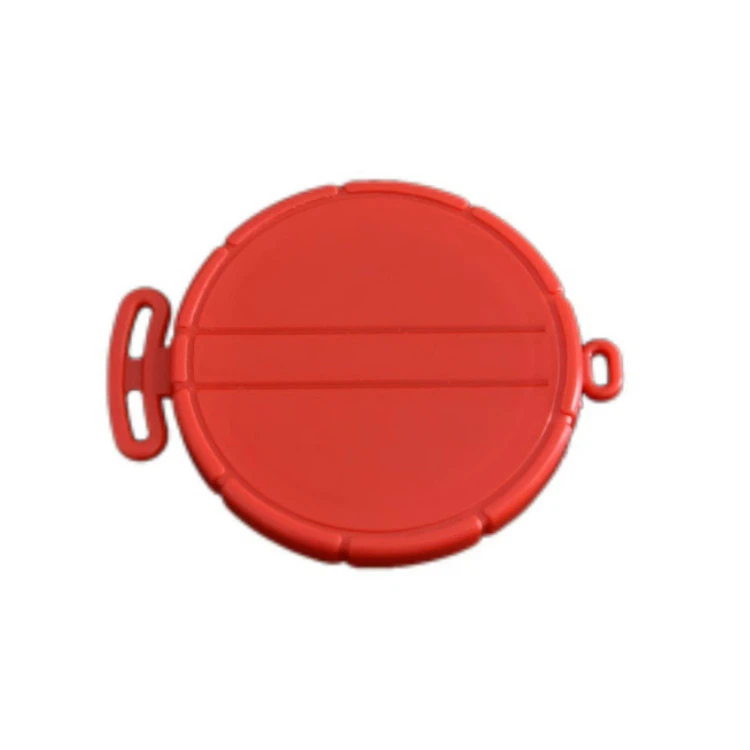
The IBC Butterfly Valve Dust Cap is mainly used to protect the butterfly valve from dust and debris. It's not designed to cover the entire IBC tank, so its chemical resistance and breathable properties are not comparable to the IBC Red Breathable Cover.
Practical Applications and Chemical Resistance
In real - world applications, the chemical resistance of the IBC Red Breathable Cover is crucial. For example, in the food and beverage industry, where mild acids and bases are commonly used for cleaning and processing, the cover can withstand these chemicals without significant damage. This allows for proper ventilation of the IBC tanks, ensuring the quality and safety of the stored products.
In the pharmaceutical industry, where strict regulations govern the storage of chemicals and drugs, the IBC Red Breathable Cover's chemical resistance and breathable function are essential. It helps maintain the stability of the stored substances and prevents contamination.
Conclusion
So, is the IBC Red Breathable Cover resistant to chemicals? The answer is that it has a certain level of chemical resistance, but it depends on the type of chemicals, the duration of exposure, and the concentration of the chemicals. Our covers are designed to handle many common chemicals in industrial and commercial applications, but for highly corrosive substances, additional precautions may be needed.
If you're in the market for an IBC cover and need to store chemicals, the IBC Red Breathable Cover could be a great option. But it's always a good idea to consult with us to determine if it's the right fit for your specific chemical storage needs. Whether you're dealing with mild acids in a food processing plant or solvents in a manufacturing facility, we can help you make an informed decision.
If you're interested in purchasing our IBC Red Breathable Covers or want to discuss your chemical storage requirements in more detail, don't hesitate to reach out. We're here to assist you with all your IBC cover needs.
References
- Chemical Resistance Testing Standards for Industrial Plastics.
- Handbook of Polymers and Their Chemical Reactions.
- Industry Guidelines for IBC Tank Storage and Cover Selection.


